
Periodontal (Gum) Treatment
Save your teeth from gum disease. Keep your gums healthy to continue smiling with confidence.
What is Periodontal (Gum) Treatment?

Periodontal or gum treatment is a treatment aimed at preventing and addressing gum-related concerns. This proactive approach focuses on preventing, managing and treating conditions affecting the gums and surrounding structures.
Periodontal treatment works with issues like:
Gum disease
Gingivitis
Gum recession
The treatment includes both non-invasive methods and more invasive methods.
Invasive Methods
- Gum Surgery
- Gum Grafting
- Pocket Reduction Surgery
- Crown Lengthening
- Bone Grafting
- Gum Contouring
Non-invasive Methods
- Professional Teeth Cleaning
- Scaling and Root Planing
- Laser Gum Therapy
- Antibacterial Mouthwash
- Topical Antibiotics
- Oral Hygiene Practices
The primary goal of periodontal treatment is to restore and maintain optimal gum health, ensuring the stability and longevity of your teeth.
What is Gum Disease?
Gum disease is a disease that emerges when harmful bacteria from plaque infect the gums and bone surrounding your teeth.
Ignoring gum disease can lead to tooth decay and potential tooth loss.
Gum disease is often caused by the following reasons:
What Causes Gum Disease?
Poor oral hygiene
Plaque and tartar buildup from poor dental hygiene
Smoking or tobacco use
Genetics and family history
Hormonal changes (e.g. pregnancy)
Medical conditions (e.g. Crohn’s disease or diabetes)
Medications that reduce saliva
Poor nutritional habits
Teeth Grinding or clenching
Crooked teeth
Immune System Disorders
Age
Stress
Certain Medications (e.g. anti-hypertensive drugs)
What Are The Symptoms of Gum Disease?
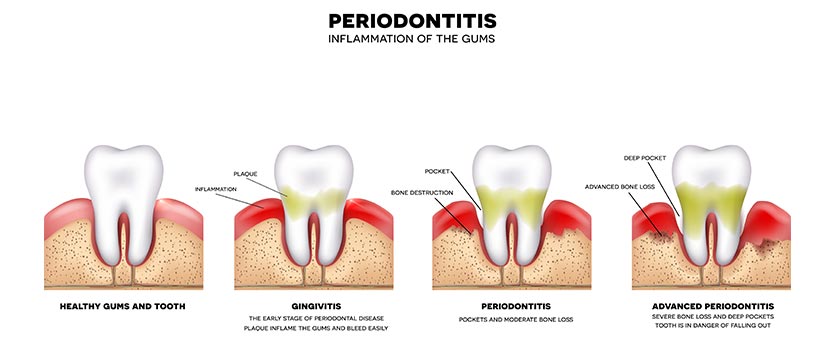
One of the initial signs of gum disease is gingivitis, which is characterised by gums that appear red, swollen, and prone to bleeding when brushing or flossing. This early stage is often accompanied by bad breath that persists despite oral hygiene efforts.
As gum disease progresses, symptoms may escalate. Pockets can form between the teeth and gums, creating spaces where bacteria accumulate, leading to infection. Gums might recede, making teeth appear longer and causing tooth sensitivity, especially to hot or cold temperatures. The gumline may also feel tender or painful to the touch.
In more advanced stages of gum disease, the bone supporting the teeth can start to deteriorate. This can result in teeth becoming loose or shifting in position. Changes in bite alignment or the fit of dentures may also occur.
The impact of gum disease can extend beyond your mouth. Studies have linked gum disease to systemic health conditions like diabetes, heart disease, and even pregnancy complications.
How Severe Is My Gum Disease?
Determining the severity of gum disease requires a professional assessment by a dentist or periodontist.
Using X-rays and clinical examinations, they evaluate factors like:
Gum inflammation
Depth of pockets
Potential bone loss
Gingivitis (Mild)
Gums appearing swollen or puffy
Gums displaying shades of dusky red or dark red
Gums prone to easy bleeding while brushing or flossing
Gums showing signs of recession
Gums that feel tender to the touch
Presence of bad breath
Periodontitis (Moderate)
Gums appearing swollen or puffy
Gums displaying shades of bright red, dusky red, or purplish hues
Gums prone to easy bleeding while brushing or flossing
Gums exhibiting signs of recession
Gums that feel tender upon touch
Presence of bad breath
Observation of pus between teeth and gums
Periodontitis (Moderate)
All of the above and:
Teeth becoming loose or facing the risk of tooth loss
Discomfort or pain during chewing
Development of gaps between teeth
Alteration in your bite, with upper and lower teeth no longer aligning as they should
Gum Disease Treatment At Kong Dental
Step 1: Examination and Consultation
At Kong Dental, our approach to examining and consulting on gum disease cases is thorough and personalised.
We begin with a comprehensive oral assessment, evaluating factors like gum health, plaque buildup, and overall oral hygiene.
Our experienced dental professionals conduct detailed examinations and use advanced tools, such as X-rays, to assess the extent of gum disease. During the consultation, we engage in open discussions to understand your concerns and medical history.
Based on the findings, we tailor a treatment plan that suits your unique needs, ensuring effective gum disease management. Your consultation experience at Kong Dental is designed to provide clarity, guidance, and a roadmap to improved gum health.
How is Gum Disease Diagnosed?
Gum disease is diagnosed at Kong Dental using the following methods:
Examining the space between gum and teeth
Measuring gum recession
Measurement of bone loss
Checking tooth mobility
Examining the amount of inflammation present.
Step 2: Deep Cleaning of Gums
Administered with local anaesthesia, the procedure does a meticulous cleaning of gums with ultrasonic scalers and hand instruments.
The procedure eliminates plaque and tartar beneath the gum line. The instruments also help smoothen out rough patches on the root surfaces, enhancing overall oral cleanliness and health of the treatment area.
Step 3: Gum Contouring
Gum contouring is performed with local anaesthesia or intravenous sedation. This procedure is a minor surgical procedure involving the repair of the infected area with gum tissue from another mouth region.
Over the course of approximately six weeks, the transplanted gums meld together. The result of gum contouring is alleviated tooth sensitivity and the mitigation of potential tooth loss.
Step 4: Pinhole Gum Rejuvenation
Pinhole gum rejuvenation involves making a small hole in the receding gum tissues. Collagen strips are then inserted into this opening to stabilise the gums and facilitate the growth of new tissue, effectively anchoring the gums in their new position.
Gum Disease Treatment Cost in Singapore
The cost of gum treatment in Singapore can vary depending on:
The severity of the condition
The specific treatments required
The expertise of the dentist or periodontist
The complexity of the treatments required
The dental clinic you choose
At Kong Dental, basic treatments like scaling and root planing might cost around SGD$125 – $155 per quadrant. Extensive procedures such as gum surgery, tissue grafting, or laser therapy can increase the cost per quadrant.
If you are worried about the cost of treatment, we offer dental insurance-covered treatments. This might be able to help reduce the financial burden of getting gum treatment.
For a more accurate cost estimate for gum disease treatment, schedule a consultation with a dental professional at Kong Dental.
Periodontal (Gum) Treatment FAQs
1. Does mouthwash help with periodontal disease?
Mouthwash can play a supportive role in managing periodontal disease, but it is not meant to be a standalone solution.
Using an antimicrobial or therapeutic mouthwash as recommended by your dentist can help reduce bacteria that contribute to gum disease. These mouthwashes can reach areas that brushing and flossing might miss, aiding in controlling plaque and gingivitis.
However, while mouthwash can offer temporary relief, it definitely does not replace proper oral hygiene practices like brushing, flossing, and professional cleanings.
For advanced periodontal disease (periodontitis), a dentist may prescribe a specialised mouthwash containing prescription-strength antimicrobial agents to complement comprehensive treatment.
It is essential to consult your dentist for personalised guidance on incorporating mouthwash into your oral care routine and addressing the specific needs of your periodontal health.
2. Can I use hydrogen peroxide for gum disease treatment?
Using hydrogen peroxide for gum disease treatment can help, but should not be the sole step in your gum disease treatment.
Hydrogen peroxide has antimicrobial properties that may help reduce harmful bacteria in the mouth, aiding in gum disease management. Diluting hydrogen peroxide with water is recommended to prevent irritation. Rinsing with the solution for a brief period, followed by thorough rinsing with water, can assist in controlling bacteria.
However, it is still important to note that hydrogen peroxide should not replace professional dental care. A dentist can assess your gum health, recommend appropriate treatment, and provide guidance on using hydrogen peroxide safely.
Overuse or incorrect application can lead to tissue damage or unintended side effects. Therefore, before considering hydrogen peroxide as a gum disease treatment, consult with your dentist to ensure it aligns with your individual oral health needs.
3. How do I cure gum disease without a dentist?
While addressing gum disease without a dental professional is not recommended, you can take supportive measures at home. Here are some of them:
● Practise rigorous oral hygiene by brushing, floss and using antimicrobial mouthwash
● Consume a balanced diet that is rich in nutrients and low in sugar
● Regularly massage your gums with a soft toothbrush to improve circulation
● Apply a warm saltwater rinse to alleviate discomfort and reduce bacteria temporarily.
It is key to note that these home remedies are not substitutes for professional treatment. Gum disease often requires tailored intervention from a dentist or periodontist.
Only dental professionals are able to accurately diagnose the severity and provide comprehensive treatment plans to reverse the impact of gum disease. Seeking professional care ensures effective management and prevents potential complications associated with untreated gum disease.
4. What are the potential benefits of gum disease treatment?
There are many potential benefits to gum disease treatment. The most important one to patients is the restoration of a healthy and beautiful smile.
Gum disease treatment:
● Prevents the disease from getting worse with better oral health
● Prevents the disease from doing further damage to gums, teeth and bone
● Reduces inflammation
● Alleviates discomfort
● Enhances your overall well-being by reducing risk of systemic health issues
● Restore the appearance of your smile
● Boosts self-confidence
● Boosts quality of life
5. What are the risks or complications of gum disease treatment?
While gum disease treatment is generally safe and effective, just like any other dental procedure, there are potential risks involved if done by an inexperienced dental professional.
Following procedures like deep cleaning or gum surgery, temporary sensitivity or discomfort may occur. Infections might arise if post-treatment care is not meticulous.
In rare cases, procedures could lead to bleeding, swelling, or numbness
6. How should I prepare for gum disease treatment?
Preparation for gum disease treatment is simple and involves only a few key steps:
Step 1: Prioritise oral hygiene by brushing and flossing diligently before the procedure.
Step 2: Inform your dentist about your medical history, medications, and allergies to ensure a safe and tailored approach.
Step 3: If sedation or anaesthesia is involved, follow any fasting or medication guidelines provided. Arrange for transportation if necessary.
Step 4: Stock up on soft, nutrient-rich foods for post-treatment meals.
Step 5: Clear your schedule to allow for recovery time.
Being well-prepared ensures a smoother treatment experience and optimal results.
7. How long will I take to recover from periodontal treatment?
The recovery period following periodontal treatment varies based on the specific procedure. After less invasive procedures like scaling and root planing, most patients experience minimal discomfort and can resume regular activities immediately. '
Surgical treatments might require a few days of rest and cautious eating. Complete recovery can take a few weeks, during which swelling and sensitivity diminish gradually.
8. How should I care for my teeth and gums after periodontal treatment?
Post-periodontal treatment care is essential for optimal healing. If you have undergone periodontal treatment, it is crucial that you:
● Maintain excellent oral hygiene by gently brushing and flossing, paying extra attention to treated areas.
● Avoid vigorous rinsing initially.
● Incorporate a mild, alcohol-free mouthwash if recommended by your periodontist.
● Consume soft foods and gradually reintroduce regular foods as healing progresses.
● Attend follow-up appointments as scheduled for your dentist or periodontist to monitor your recovery.
9. When should I call my periodontist or dentist?
You should contact your periodontist or dentist if you experience persistent bleeding, severe pain, swelling, or adverse reactions to prescribed medications.
Reach out if you notice any unusual changes in the treated area or if your overall condition worsens.
In case of unexpected complications, prompt communication with your dental professional ensures appropriate guidance and timely intervention, enhancing your recovery process.
10. Why should I choose gum disease treatment at Kong Dental?
Choosing gum disease treatment at Kong Dental means getting treatment tailored to your needs and budget. As a trusted family dentistry clinic in Singapore, we are passionate about the oral health of you and your loved ones.
Our commitment to affordability ensures that our services cater to patients within the heartland, making comprehensive oral care accessible to all.
At Kong Dental, you're not just a patient – you're family. Experience top-notch gum disease treatment that combines expertise, affordability, and a caring approach.
Welcome to Kong Dental Surgery
Kong Dental Surgery has been providing full-range and affordable dental care services since its establishment in 2010. Our team of dental specialists and dentists across our 5 dental clinics in Singapore provides a full range of dental care services from wisdom teeth extraction to orthodontics.
Visit us at our clinics in one of our locations:
Yew Tee Point, Choa Chu Kang (Limbang), Jurong East, Teck Whye Lane, and Sunshine Place.
Meet Our Dentist



Make An Enquiry
Let us know your concerns and our clinic staff
will get back to you in 1-2 hours.
Prefer to talk to our clinic staff directly?
Call our clinic to chat with our friendly nurses





General Information
21 Choa Chu Kang North 6 #01-27 Singapore 689578
Tel: +65 6767 9502
(Please Enter The Clinic From Outside The Mall)
Consulting Hours
Mon to Fri: 9AM to 9PM
Sat: 9AM to 6PM
Sun and PH: Closed

CONSULTATION HOURS
Mon to Fri: 9AM to 9PM
Sat: 9AM to 6PM
Sun and PH: Closed
Follow Us On:


Important Notice:
Kong Dental Surgery does not request payments to personal bank accounts. All payments must be made only to our official business accounts. We do not conduct transactions via personal messaging or unofficial channels. If you are unsure, please contact us directly to verify.
©Kong Dental Surgery Pte Ltd. All Rights Reserved.