
Dentures vs Dental Implants: Understanding the Differences
Dentures vs Dental Implants: Understanding the Differences
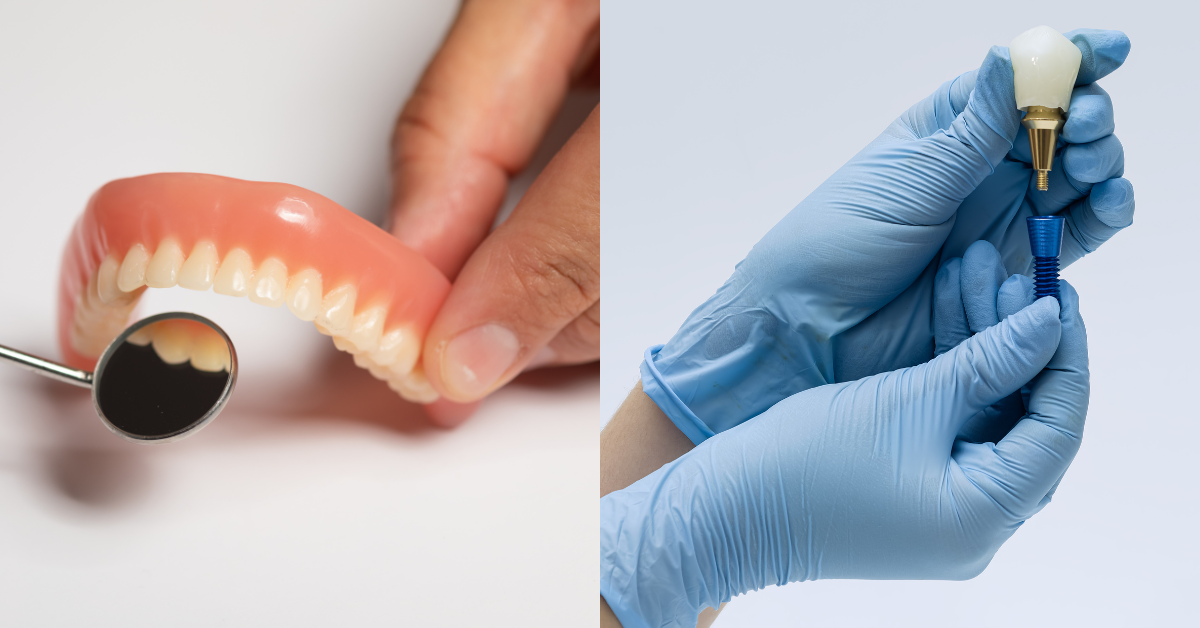
When multiple teeth are missing or need to be replaced, patients are often presented with more than one option. Dental implants and dentures are both used to restore function and appearance, but they differ in significant ways. This article outlines the key differences to help you have a more informed discussion with your dentist.
This article is for general information only and does not constitute dental advice. Please consult a registered dentist for a clinical assessment.
What Are Dentures?
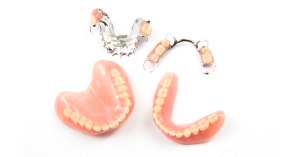
Dentures are removable prosthetic appliances that replace missing teeth and surrounding tissue. They are taken out for cleaning and typically worn during waking hours.
• Full (complete) dentures replace all teeth in an arch (upper, lower, or both)
• Partial dentures replace several missing teeth when some natural teeth remain
Dentures rest on the gum tissue and, in some designs, use remaining teeth or implants for additional support.
What Are Dental Implants?
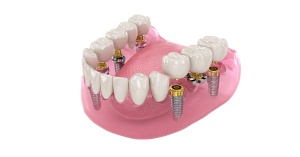
Dental implants are titanium fixtures placed into the jawbone, onto which crowns, bridges, or implant-supported dentures are attached. When used for multiple missing teeth, several implants may be placed to support a bridge or a full-arch prosthesis.
Implants are fixed in the mouth and are not removed for cleaning in the same way as conventional dentures.
What Factors Affect Suitability?
Your dentist will assess a number of factors when discussing options with you.
For dentures
• The number and distribution of remaining teeth
• Gum and ridge condition
• Patient preference and lifestyle factors
For implants
• Bone volume and density in the jaw
• Gum and general health
• Whether preparatory treatment (such as bone grafting or gum treatment) is needed
Neither option is universally appropriate for all patients. Your dentist will advise based on a thorough examination.
Older patients sometimes assume they are not suitable candidates for implant treatment. Age alone is not a contraindication; the clinical assessment focuses on bone quality, health status, and individual factors. Dentures also remain a commonly used and clinically appropriate option for many older patients, particularly where health or bone conditions are a consideration.
There is no single correct answer. The right choice depends on individual clinical circumstances and personal preference, discussed with your dentist.
Key Differences
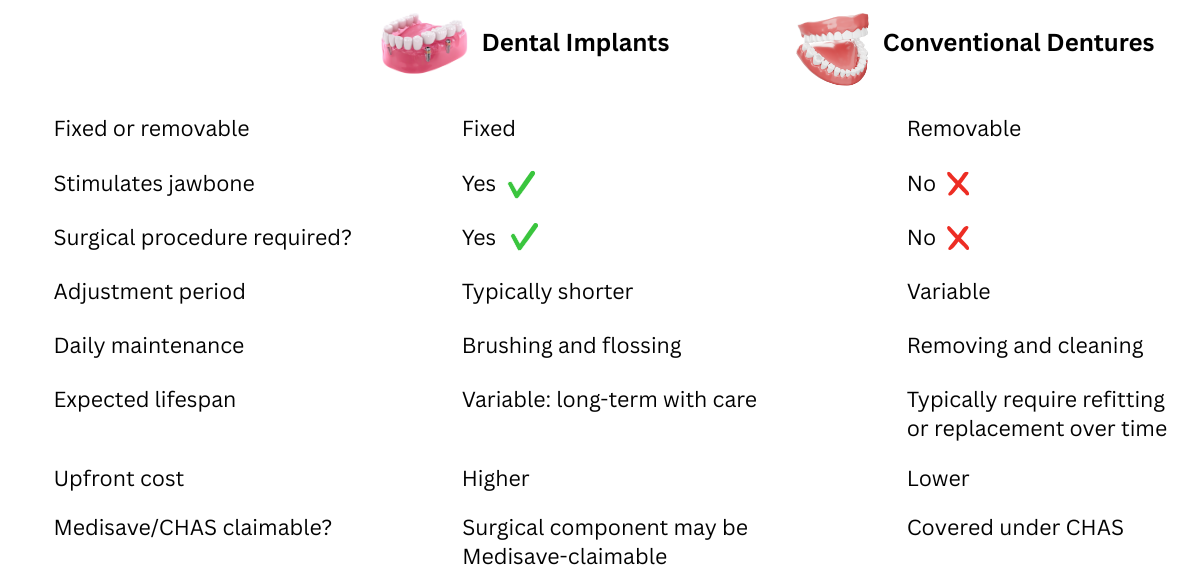
*Lifespan and suitability depend on individual oral health, bone condition, and maintenance. Our dentists discuss all relevant options with patients, including costs and subsidies, before any treatment begins. CHAS subsidies are available for dentures at our CHAS-participating clinics.
Book an appointment to speak to one of our dentists if you have questions about teeth replacement options.


