

Kong Dental Surgery - Trusted Dental Clinic in Singapore
Welcome to Kong Dental Surgery
Kong Dental Surgery has been providing full-range and affordable dental care services since its establishment in 2010. Our team of dental specialists and dentists across our 5 dental clinics in Singapore provides a full range of dental care services from wisdom teeth extraction to orthodontics.
Visit us at our clinics in one of our locations:
Yew Tee Point, Choa Chu Kang (Limbang), Jurong East, Teck Whye Lane, and Sunshine Place.
Our Dental Services
Discover our wide range of dental services designed to meet all your oral health needs. From advanced orthodontics to routine care
Why Choose Kong Dental
Comprehensive Dental Services
Advanced Technology and Facilities
Emergency Care 24/7
Safe & Comfortable Environment
Comprehensive Dental Services
Advanced Technology and Facilities
Emergency Care 24/7
Safe & Comfortable Environment
Friendly & Courteous Staff
Convenient Locations in Singapore
E-payment Available For Ease of Company Claims
Friendly & Courteous Staff
Convenient Locations in Singapore
E-payment Available For Ease of Company Claims
Meet Our Dentist



Our Dental Blog
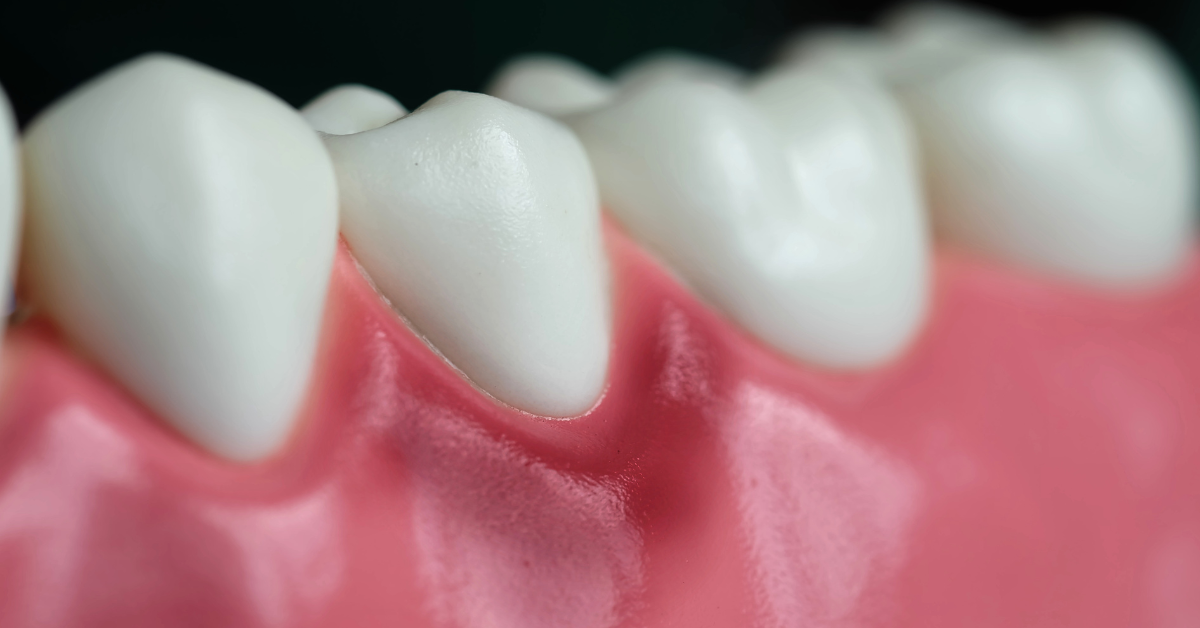
Gum Disease in Singapore: What It Is, Why It Is So Common, and What to Do About It
Gum Disease in Singapore: What It Is, Why It Is So Common, and What to Do About It
Gum disease is one of the most common health conditions in Singapore yet most people who have it are unaware. It progresses quietly, often without pain, and by the time obvious symptoms appear, the condition may have already advanced. This article explains what gum disease is, how it develops, what the warning signs are, and what dental treatment generally involves.
This article is for general information only. Please consult a registered dentist for an assessment specific to your oral health.
How Common Is Gum Disease in Singapore?
The figures are striking. Around 90% of adult Singaporeans have some form of gum disease, ranging from the mildest form (gingivitis) to the most severe (periodontitis). International Trade Administration The Ministry of Health reports that 13% of people aged 60 and above experience complete tooth loss, often from long-standing gum disease.
One of the key reasons gum disease so often goes undetected is that the early stage of gum disease is called gingivitis an inflammation of the gums surrounding the teeth and the first symptom is bleeding on brushing. Pain is usually not a presenting symptom. Gum disease is sometimes called the “silent” enemy because it may present with no symptoms at all. International Trade Administration
What Is Gum Disease?
Gum disease is a broad term covering two related conditions:
Gingivitis is the earlier, milder stage. It refers to inflammation of the gum tissue surrounding the teeth, caused by the accumulation of plaque a film of bacteria that forms on teeth and along the gum line. Gingivitis is reversible with proper oral hygiene and simple treatment like scaling and polishing. International Trade Administration
Periodontitis is the more advanced form. When gingivitis is left unattended over time, it progresses to periodontitis, where the disease attacks the deeper parts of the supporting structures of the tooth, including the surrounding bone and attachments. International Trade Administration Damage to bone and attachment structures at this stage is largely irreversible.
Periodontal disease is not confined to the gums. The inflammatory response to periodontal bacteria or their by-products may have systemic effect this seemingly localised inflammation could trigger a chronic, generalised hyperinflammatory condition and may cause or aggravate other systemic health issues. More on this in a separate article on oral health and systemic conditions.
What Causes Gum Disease?
Bacteria in plaque are the primary cause of gum disease. These bacteria do not cause disease when removed daily by proper brushing. However, when oral hygiene is inadequate, bacteria accumulate and form hardened deposits called tartar. Tartar cannot be removed by brushing and requires scaling. Plaque bacteria produce toxins that irritate the gums, and when these toxins accumulate over time, the body mounts a response that can dissolve bone and the surrounding tissue holding the teeth. International Trade Administration
Several factors can increase a person’s risk of developing gum disease or affect its severity:
• Smoking — reduces blood supply to the gums, which can mask warning signs like bleeding and impair healing
• Diabetes — poorly controlled blood sugar is associated with a higher susceptibility to infection, including gum infections
• Certain medications — including some antidepressants, anticonvulsants, and heart medications, which may affect gum tissue or reduce saliva flow
• Hormonal changes — during puberty, pregnancy, or menopause, gum tissue can become more sensitive
• Age — the distribution of periodontal disease increases with age, with older persons showing a higher prevalence of deeper periodontal pockets International Trade Administration
• Genetic predisposition — some individuals are more susceptible to gum disease despite maintaining good oral hygiene
Warning Signs to Be Aware Of
Gum disease may progress painlessly, producing few obvious signs, even in the late stages. Although the symptoms of periodontal disease are often subtle, the condition is not entirely without warning signs. HealthHub
Signs that may indicate gum disease include:
• Bleeding gums when brushing or flossing — healthy gums do not typically bleed with gentle brushing
• Persistent bad breath — not attributable to diet alone, and not resolved by brushing
• Red, swollen, or tender gums — healthy gums are generally firm and pale pink
• Gum recession — gums appearing to pull away from the teeth, making teeth look longer
• Tooth sensitivity — particularly to hot, cold, or sweet foods, as more of the tooth surface is exposed
• Loose teeth or changes in bite — in more advanced stages, the supporting bone may be sufficiently compromised to cause tooth movement
It is worth noting that the absence of these symptoms does not mean gum disease is absent. A clinical examination by a dentist — which includes probing the gum pockets and reviewing X-rays — is the only way to accurately assess the presence and extent of gum disease.
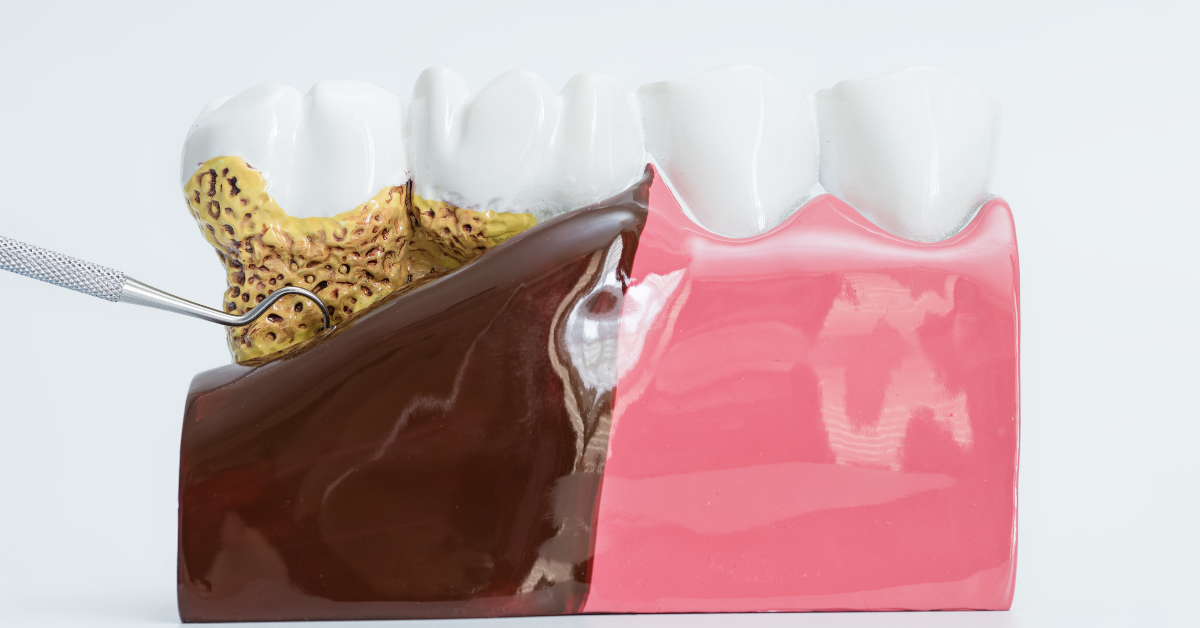
Stages of Gum Disease
In its early stages, gingivitis features red, swollen, and bleeding gums. Periodontitis features receding gums and deeper pockets, while advanced periodontitis involves loose teeth, possible pus, and discomfort.
The progression is not inevitable. A 15-year prospective study found no further deterioration of periodontal structure among subjects who maintained proper oral hygiene and received routine professional dental care. This underscores the value of early detection and consistent preventive care.
What Does Treatment Involve?
Treatment depends on the stage and severity of the condition.
For gingivitis: Treatment typically involves professional scaling and polishing to remove plaque and tartar deposits, combined with personalised oral hygiene instruction. At this stage, the condition is generally reversible.
For periodontitis: Treatment may include scaling and root planing (sometimes called deep cleaning), which extends below the gum line to clean the root surfaces of affected teeth. Antibiotic therapy may be used in some cases to help reduce bacterial infection in the gums. For advanced cases where non-surgical treatment is not sufficient, periodontal surgery may be considered. Regular maintenance cleanings are important for monitoring and managing gum health over time. Ndcs
Your dentist will assess the extent of disease and discuss the appropriate treatment pathway. For more complex or advanced gum disease, you may be referred to a periodontist a specialist in gum conditions.
Gum Disease and CHAS
Scaling and polishing is covered under CHAS for eligible patients and represents a practical way to maintain gum health at an affordable cost. CHAS coverage is not available for all gum treatments — your dentist will advise on what is claimable for your specific situation. Refer to the MOH website or our separate article on CHAS dental coverage for more information.
Prevention: What You Can Do at Home
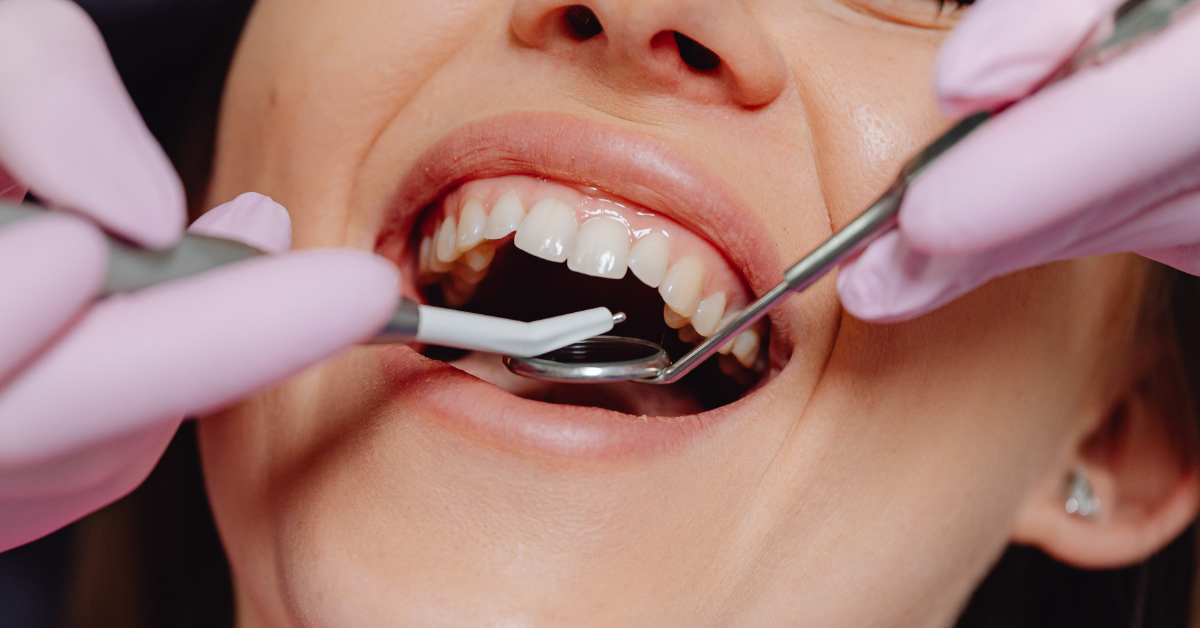
While professional care is necessary for treating established gum disease, daily oral hygiene habits play a central role in prevention:
• Brush teeth thoroughly twice daily, including along the gum line
• Floss or use interdental brushes daily to clean between teeth where a toothbrush cannot reach
• Replace your toothbrush regularly
• Attend regular dental check-ups and professional cleanings as advised by your dentist
• Inform your dentist of any medications you are taking or health conditions you have, as these may affect gum health
Our dentists screen for gum disease as part of routine check-ups at our clinics. CHAS scaling and polishing is available for eligible patients. We are open daily from 9am to 9pm.
If you have noticed any of the signs described above, or have not had a gum check recently, speak to a dentist for an assessment.

Make An Enquiry
Let us know your concerns and our clinic staff
will get back to you in 1-2 hours.
Prefer to talk to our clinic staff directly?
Call our clinic to chat with our friendly nurses





General Information
21 Choa Chu Kang North 6 #01-27 Singapore 689578
Tel: +65 6767 9502
(Please Enter The Clinic From Outside The Mall)
Consulting Hours
Mon to Fri: 9AM to 9PM
Sat: 9AM to 6PM
Sun and PH: Closed

CONSULTATION HOURS
Mon to Fri: 9AM to 9PM
Sat: 9AM to 6PM
Sun and PH: Closed
Follow Us On:


Important Notice:
Kong Dental Surgery does not request payments to personal bank accounts. All payments must be made only to our official business accounts. We do not conduct transactions via personal messaging or unofficial channels. If you are unsure, please contact us directly to verify.
©Kong Dental Surgery Pte Ltd. All Rights Reserved.